
Unite & Strengthen
Jewish congregations that honor Yeshua the Messiah of Israel

You’re Invited to our Annual Summer Family Conference
This July 16-19 the Union comes together for our annual Summer Family Conference, centered on the theme, A Future and a Hope.
We’re delighted to welcome guest speakers Eitan Shishkoff and Stewart Winograd.
Other schedule highlights include the return of the Union Klezmer Band, orchestrated by Rabbi Dr. Rich Nichol, morning Torah study groups, engaging breakout sessions, a screening of Greg Silverman’s documentary on the pioneers of Messianic Jewish worship, and Saturday evening concert by Paul Wilbur.
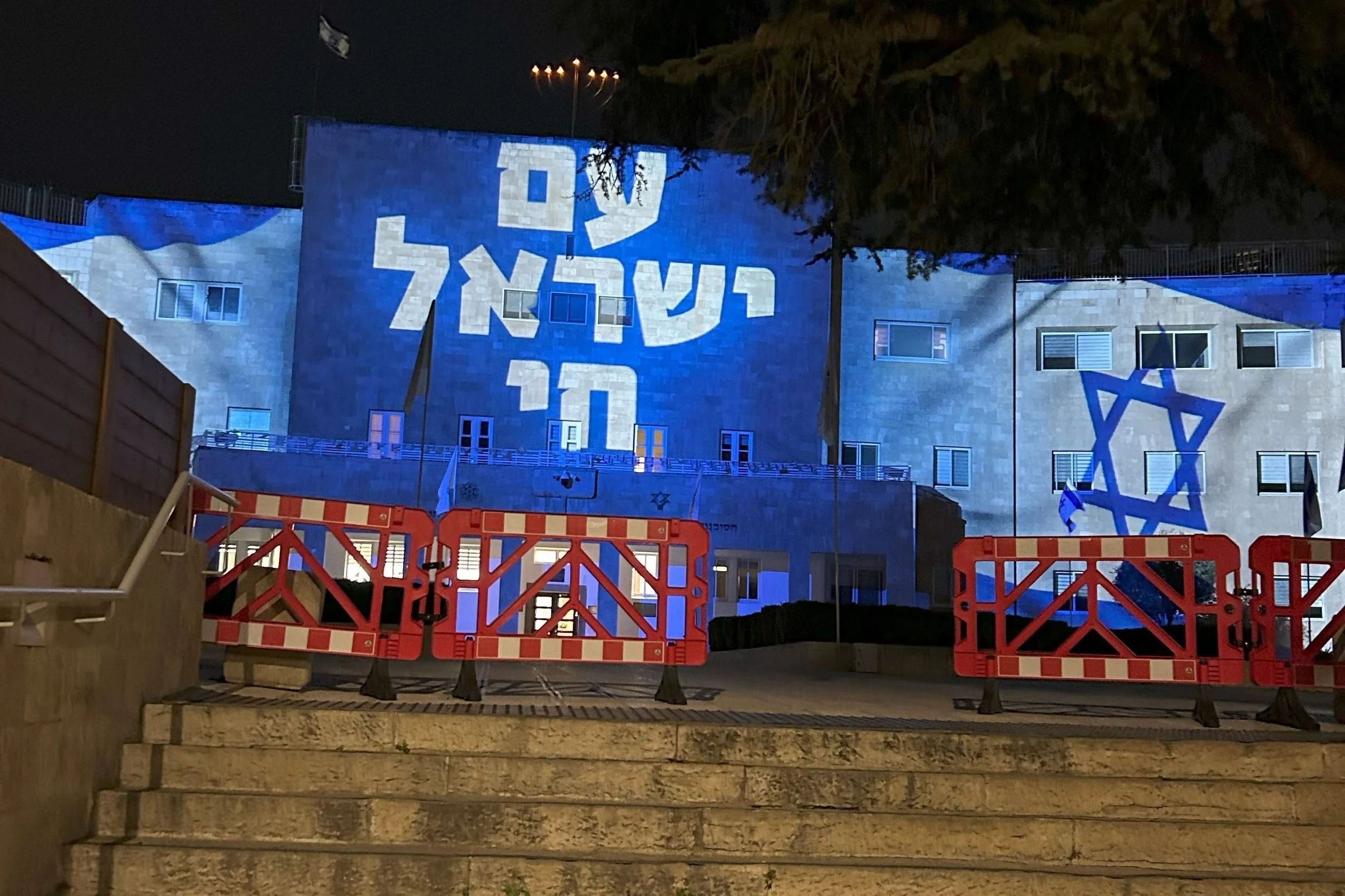
Prayer and Intercession for Israel
As Israel continues through a time of unprecedented challenge and uncertainty, our prayers are critical. Pray for God’s oversight of the entire situation, for release of all the hostages, for wisdom for Israel’s political and military leaders, and for mercy over for all the lives affected by this struggle.
Arise, Adonai! May Your enemies be scattered!
May those who hate You flee from before You! (Num 10:35)
In addition to prayer, you can also support Israel through the UMJC Israel Aid Fund, which has raised nearly $250,000 to distribute directly to Messianic Jewish war relief efforts in Israel.
Commentary


SUBSCRIBE
Updates


Midrash Rabbah 21.12 attributes to the daughters of Zelophehad the role of judges of the law, even in Moses’ presence, for as the Lord says, they “speak what is right” (Num 27:6). That is quite startling!