
Education

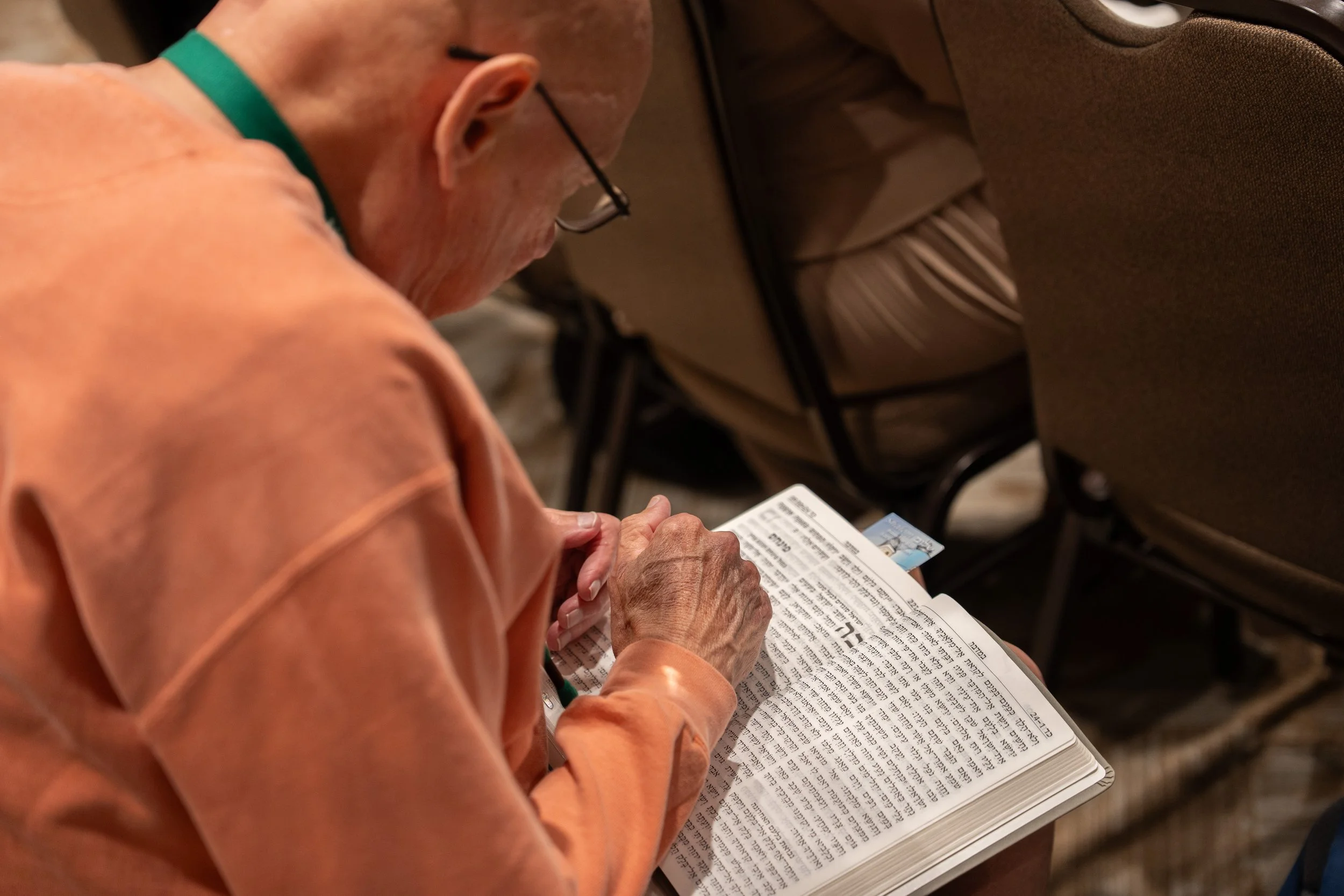
Ashreinu School’s primary goal is to equip Messianic Jewish children ages 5-18 to be functional Jewish adults with the skills to fulfill their covenantal responsibilities and Gentile children within the Messianic Jewish community to live lives of dedicated partnership with the Jewish people and service to the Messiah. Hebrew literacy is a foundational right for any child who is part of the Jewish community, and we intend to make that right readily available.
Make it stand out
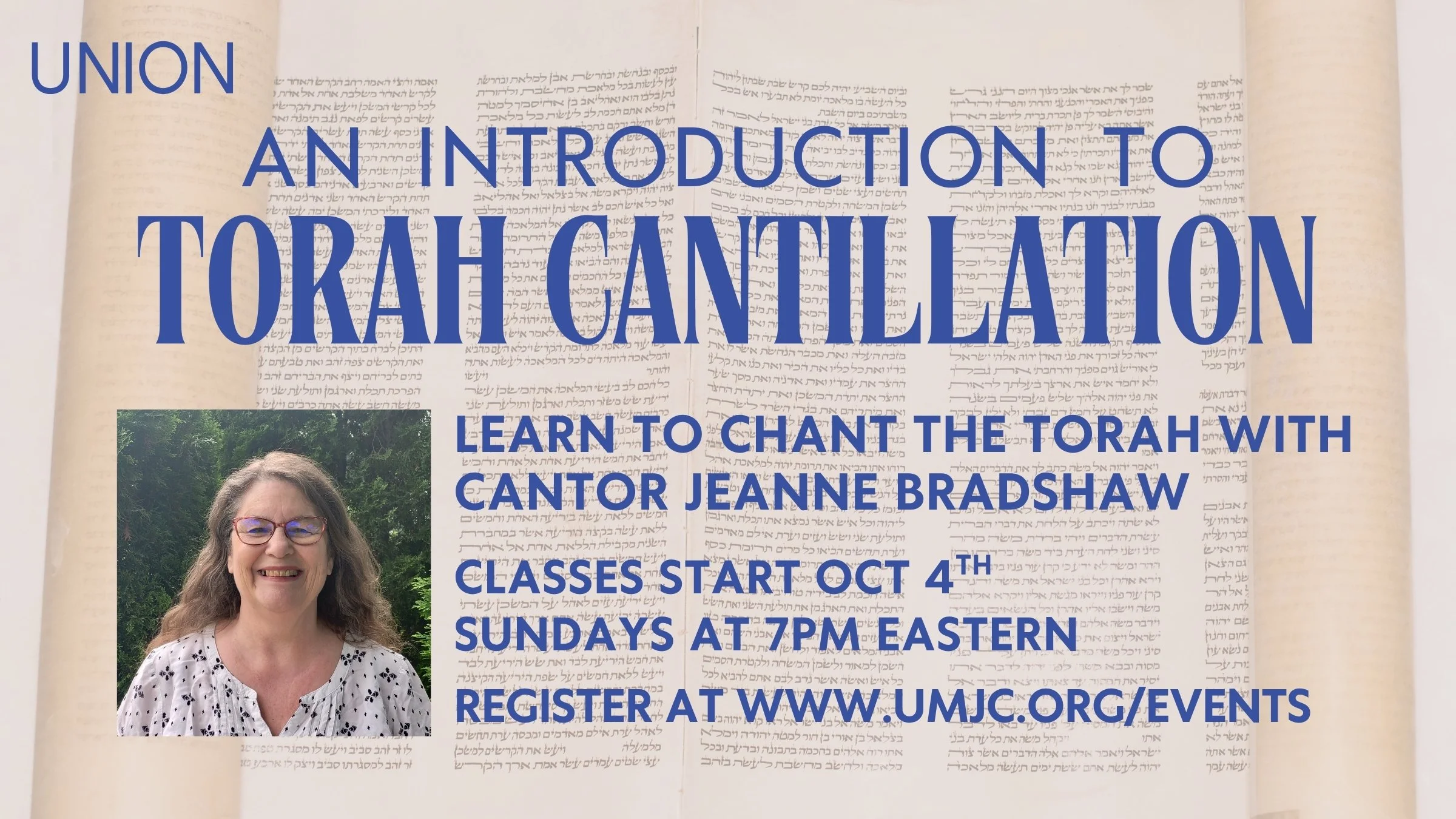
Torah Cantillation Class with Cantor Jeanne Bradshaw (October 4 – December 20)
Do you have a desire to participate in Shabbat services by chanting Torah? Are you rusty since the days of your Bar or Bat Mitzvah? The Union wants to help you develop the skills to chant from the Torah through our new Torah Cantillation Class! Open to adult leaders and lay people.
In this eleven-week beginner class, students will join Cantor Jeanne Bradshaw—a graduate of MJTI’s Messianic Cantorial Arts Program—to learn the melodies of the different cantillation tropes and how the cantillations work together to punctuate each sentence in the Torah scroll. This course will give the student enough understanding of chanting the Torah to become proficient with ongoing practice. Join this class and eventually share your new abilities with your congregation.
Ability to read/sound out Hebrew words is preferred for this class.
Class meets via Zoom for live instruction and coaching. Class sessions are once a week (adjusted for holidays) on Sundays 7:00 - 8:30 PM Eastern Time. Students who attend all class sessions and actively participate will receive a certificate from the UMJC upon course completion.
Cost: $275.00
There will be one course book for purchase: The Art of Torah Cantillation (Portnoy & Wolff). Syllabus, instructions, and other optional materials will be provided upon registration.
Registration is limited to ensure high-quality instruction and attention to each student. Registration closes 9/25 so don’t delay! For questions contact: info@umjc.org.
Resources for Educators
Bar/Bar Mitzvah Training:
Bar/Bat mitzvah training is the culmination of Hebrew school that typically begins when the child enters first grade. Bar/Bat mitzvah candidates generally should be able to sound out Hebrew texts and should be familiar with the basics of Jewish tradition and practice. There may be times when accommodations need to be made for children who are new to the congregation and have not attended Hebrew School, but still want to receive bar/bat mitzvah training. The goal of this training is not only to prepare the candidate for the big day, but for the candidate to have a better understanding of his/her identity as a Messianic Jewish person. Therefore, the process is just as important as the end result. The Bar/Bat mitzvah training typically begins at age 12 and consists of four parts:
Torah and Haftarah with associated blessings. (Cantor or other instructor)
The first part of bar/bat mitzvah training involves the student learning to chant Torah, the Haftarah, and the blessings.
Torah and Haftarah training will take approximately one year to complete. Usually, the teacher works with the students about twice a week for 30 minutes to one hour depending on the student, with the student practicing what has been covered outside of instructional time. Less time in class may be more effective so that the students don't become overwhelmed. The exact structure of your program will depend on what works best at your synagogue. It is recommended to have the student attend class at a regularly scheduled time so that it becomes routine for them. If there are multiple students preparing in the same year, teaching the students how to chant the Torah and Haftarah, as well as instruction on Jewish history and culture can be taught in a group setting. When students are ready to learn their specific portions and develop their speeches, it is necessary to do this on a one-on-one basis.
Jewish Basics: Jewish History, Values, Traditions.
This is the cultural component of the training in which the candidate understands what it means to be Jewish with appropriate applications to life in Messiah.
The History of the Jewish People Volumes 1 and 2
Jewish Heroes Jewish Values
https://store.behrmanhouse.com/index.php/jewish-heroes-jewish-values.html
Jewish History and Heritage
https://store.behrmanhouse.com/index.php/building-jewish-identity-4-jewish-history-and-heritage.html
Mentoring: Understanding the Torah and Haftarah and Brit Chadasha portions, making applications to life. This includes writing the d’rash that will be presented at the service.
Mitzvah Project: involves the student volunteering and giving back to others. Parents help the student to find a mitzvah opportunity. the student writes a brief essay explaining the the project and its meaning and value.
Safety: Link to Volunteer Background Checks